 09 March 2026
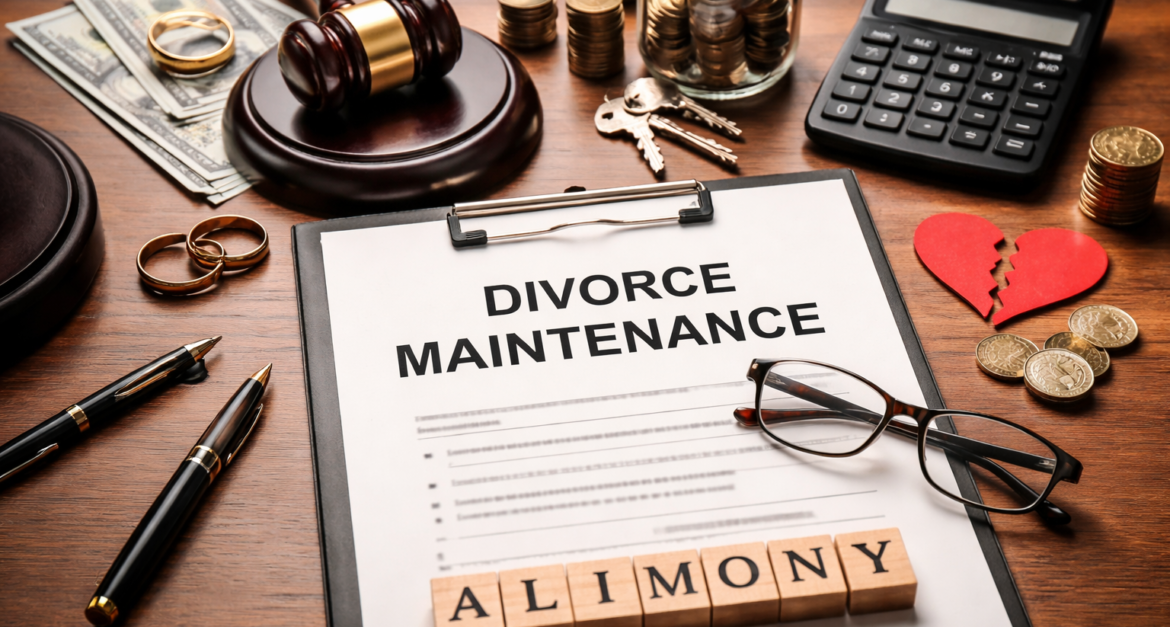
Divorce is often a challenging process, both emotionally and financially. In India, divorce maintenance—commonly referred to as alimony or spousal support—ensures that a spouse who may be financially dependent receives support after separation. Understanding the legal rights, eligibility criteria, and procedures for claiming maintenance is essential for safeguarding financial security post-divorce.
What is Divorce Maintenance?
Divorce maintenance refers to the financial support provided by one spouse to the other after separation or divorce. Its purpose is to:
- Ensure the financial well-being of the dependent spouse
- Cover basic living expenses, including food, accommodation, healthcare, and education
- Protect the spouse from financial hardship post-divorce
- Maintain fairness in marital settlements
Maintenance may also extend to children, covering their education, healthcare, and upbringing.
Legal Framework Governing Divorce Maintenance in India
Divorce maintenance in India is governed by personal laws based on religion and secular laws such as the Special Marriage Act, 1954, and the Hindu Marriage Act, 1955. Key legislation includes:
1. Hindu Law
- Hindu Marriage Act, 1955: Provides for permanent alimony and maintenance after divorce.
- Hindu Adoption and Maintenance Act, 1956: Allows dependent spouses to claim maintenance during separation or post-divorce.
- Hindu Minority and Guardianship Laws: Ensure child maintenance obligations.
2. Muslim Law
- Governed by Sharia principles and personal law:
- Maintenance (Nafaqah) is payable to the wife during marriage and, in some cases, post-divorce
- Iddat Period: Islamic law mandates maintenance during this waiting period after divorce
3. Christian and Parsi Law
- Indian Divorce Act, 1869 (as amended): Spouses may claim maintenance and financial support based on income and dependency.
- Courts consider the lifestyle, financial capacity, and needs of the spouse.
4. Special Marriage Act, 1954
- Applicable to interfaith or civil marriages
- Courts grant maintenance orders based on financial dependency and earning capacity
5. Criminal Procedure Code (Section 125 CrPC)
- Applies to all citizens irrespective of religion
- Provides for maintenance of wives, children, and dependent parents
- Ensures prompt legal remedy in case of neglect or refusal to provide support
Eligibility for Divorce Maintenance
The following factors determine eligibility:
- Financial Dependency: The spouse claiming maintenance must be unable to maintain themselves financially.
- Duration of Marriage: Courts consider the length of marriage while deciding the amount.
- Income and Assets of the Paying Spouse: Maintenance is calculated based on the paying spouse’s earning capacity.
- Age and Health of the Dependent Spouse: Elderly or ill spouses may receive higher support.
- Children’s Needs: Maintenance may include education, healthcare, and daily expenses of children.
Types of Divorce Maintenance
1. Interim Maintenance
- Provided during divorce proceedings
- Ensures the dependent spouse has access to basic living expenses
- Courts may direct temporary payments until final settlement
2. Permanent Maintenance
- Granted after divorce or separation
- Can be lump-sum or periodic payments
- Determined by the court based on lifestyle, financial needs, and spouse’s income
3. Child Maintenance
- Courts ensure children receive education, healthcare, and general upbringing
- Payment responsibility usually lies with the parent who has higher income
Legal Procedure for Claiming Divorce Maintenance
Step 1: Filing a Petition
- Dependent spouse files a maintenance petition in Family Court
- Petition includes:
- Personal details
- Income and expenses of both spouses
- Details of children (if any)
- Evidence of financial dependency
Step 2: Court Proceedings
- Court evaluates financial status, lifestyle, and dependency
- Both parties present evidence, documents, and statements
Step 3: Interim Orders
- Court may grant temporary maintenance during proceedings
- Ensures the petitioner’s basic needs are met
Step 4: Final Maintenance Order
- Court decides amount, duration, and mode of payment
- Can include lump-sum payment or periodic monthly payments
- Courts also consider inflation, changes in income, or additional dependents
Step 5: Enforcement
- Failure to comply with maintenance orders can lead to legal action, including attachment of property or imprisonment of the defaulter under Section 125 CrPC
Factors Influencing Maintenance Amount
- Income of Both Spouses: Higher-earning spouse pays proportionally
- Standard of Living During Marriage: Courts aim to maintain a comparable lifestyle
- Age and Health: Elderly or disabled spouses may receive higher support
- Duration of Marriage: Longer marriages may result in higher maintenance
- Contribution to Family Assets: Homemakers and primary caregivers are often prioritized
Challenges in Divorce Maintenance Cases
- Misrepresentation of income by the paying spouse
- Delays in court proceedings due to backlog
- Disputes over child maintenance or custody
- Social stigma, particularly for women claiming maintenance
Legal advice and professional representation can help overcome these challenges.
Role of Legal Professionals
Lawyers play a crucial role in:
- Drafting petitions for maintenance
- Representing clients in Family Court
- Ensuring timely and fair settlement
- Advising on preventive measures and compliance
Conclusion
Divorce maintenance in India is a vital legal mechanism to protect financially dependent spouses and children after separation. Understanding eligibility, legal provisions, and procedural steps is essential for securing fair financial support. By filing maintenance petitions, seeking interim relief, and enforcing court orders, victims can safeguard their rights and financial stability. Awareness of divorce maintenance laws empowers individuals to navigate separation with dignity, ensuring that justice and fairness are upheld.