 13 February 2026
Divorce can be an emotionally and legally complex process, especially when spouses cannot agree on issues such as child custody, property division, or spousal support. In such cases, a contested divorce becomes necessary. Unlike an uncontested divorce, where both parties mutually agree on all terms, a contested divorce requires legal intervention and court involvement to resolve disputes. This blog explores the nuances of contested divorce, its legal process, challenges, and how to navigate it effectively.
What is a Contested Divorce?
A contested divorce occurs when spouses cannot agree on one or more critical issues during the divorce process. These disagreements may include:
- Child Custody and Visitation: Determining the primary custodian, visitation schedules, and parental responsibilities.
- Child Support: Deciding the financial support for the child’s upbringing.
- Division of Property: Disputes over assets, debts, and property ownership.
- Spousal Support (Alimony): Determining if one spouse is entitled to financial support and the amount.
In a contested divorce, these disagreements are presented before a court, which then makes decisions based on legal principles and evidence provided by both parties.
The Legal Process of a Contested Divorce
The process of a contested divorce is more structured and formal than an uncontested divorce. Understanding the step-by-step procedure can help spouses prepare adequately.
1. Filing the Petition
The process begins when one spouse files a divorce petition in the family court. This petition outlines the grounds for divorce and the specific issues to be resolved. It is crucial to include accurate information, as discrepancies can delay the process.
2. Service of Summons
After filing, the petition must be formally served to the other spouse. This step ensures that both parties are aware of the legal proceedings and have the opportunity to respond.
3. Response from the Respondent
The responding spouse can either accept or contest the divorce petition. In contested cases, the respondent typically disputes one or more claims, setting the stage for legal arguments.
4. Discovery Phase
During discovery, both parties exchange relevant documents and information related to financial status, assets, debts, and child-related matters. This phase is critical as it ensures transparency and helps both sides prepare for trial.
5. Temporary Orders
In certain cases, the court may issue temporary orders to address immediate concerns, such as child custody, visitation, or financial support, until the final decision is made.
6. Mediation and Settlement
Family courts often encourage mediation to help spouses reach a settlement without going to trial. Mediation can save time, reduce legal costs, and minimize emotional stress. However, if mediation fails, the case proceeds to trial.
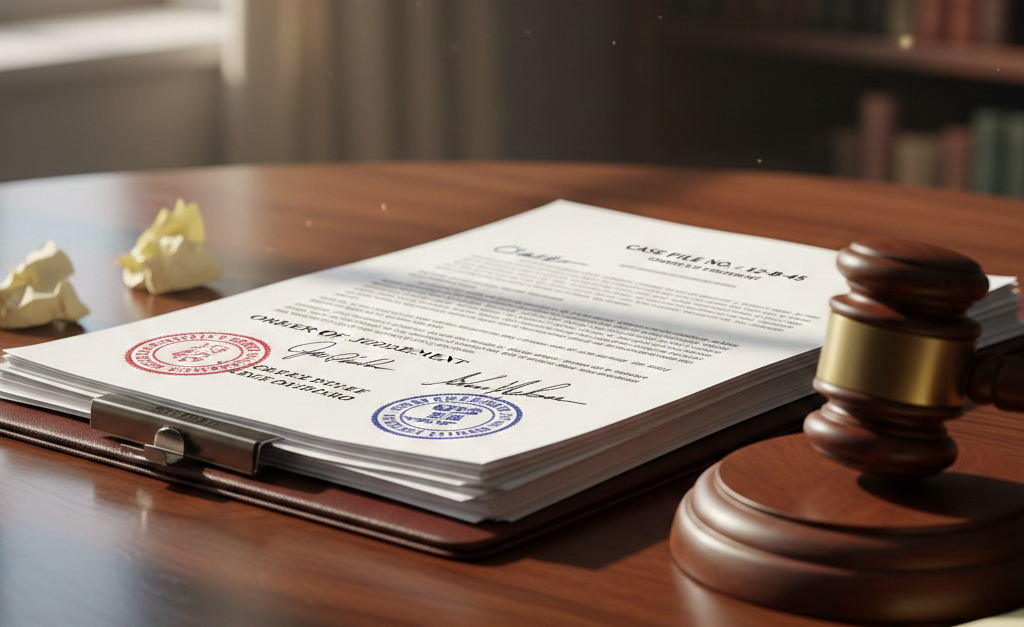
7. Trial and Court Judgment
During the trial, both spouses present evidence, documents, and witness testimony to support their claims. The judge evaluates all evidence, considers legal guidelines, and issues a judgment resolving the contested issues. The court’s decision is legally binding and enforceable.
Challenges in a Contested Divorce
Contested divorces are often more challenging than uncontested ones due to the following reasons:
- Longer Duration: Contested cases can take months or even years to resolve.
- Higher Legal Costs: Legal fees, court expenses, and professional consultations can be expensive.
- Emotional Strain: Ongoing disputes can cause stress, anxiety, and affect family dynamics.
- Uncertain Outcomes: The final decision rests with the court, which may not fully satisfy either party.
It is essential for individuals involved in contested divorces to seek professional guidance to navigate these challenges effectively.
Tips for Navigating a Contested Divorce
- Hire an Experienced Divorce Lawyer: Legal expertise is crucial to protect your interests and ensure your rights are upheld.
- Maintain Detailed Records: Keep records of finances, communications, and any incidents relevant to custody or property disputes.
- Prioritize Children’s Interests: Courts prioritize the welfare of children, so ensure that decisions reflect their best interests.
- Consider Mediation: Attempting mediation can reduce conflict and facilitate a mutually acceptable settlement.
- Stay Calm and Professional: Emotional outbursts or hostility can negatively impact court outcomes.
Contested Divorce and Child Custody
One of the most sensitive aspects of a contested divorce is child custody. Courts follow the principle of “best interest of the child” to make custody decisions. Factors considered include:
- Age and health of the child
- Emotional and educational needs
- Each parent’s ability to provide care
- History of abuse or neglect
It is essential to demonstrate cooperation, stability, and commitment to the child’s well-being during the court proceedings.
Division of Assets and Financial Considerations
Financial disputes are a common cause of contested divorce. Courts consider marital property, individual contributions, and legal precedents to divide assets fairly. Documentation of income, property ownership, debts, and expenses is critical in presenting a strong case.
Contested Divorce vs. Uncontested Divorce
| Aspect | Contested Divorce | Uncontested Divorce |
|---|---|---|
| Agreement | Parties disagree | Parties agree |
| Court Involvement | High | Minimal |
| Duration | Longer | Shorter |
| Legal Costs | Higher | Lower |
| Emotional Stress | More | Less |
Understanding this difference helps spouses assess the best approach for their situation.
Legal Support and Expertise
Having knowledgeable legal support is vital. Family lawyers specializing in contested divorce can provide guidance on:
- Filing petitions and responses correctly
- Gathering evidence for custody, support, and property division
- Representing clients in court proceedings
- Negotiating settlements and mediating disputes
Professional guidance ensures the process is handled efficiently and in compliance with legal standards.
Conclusion
A contested divorce can be challenging, but understanding the legal process, rights, and responsibilities can ease the journey. Prioritizing children’s interests, maintaining professionalism, and seeking legal expertise are key to navigating contested divorce successfully. While disputes may seem overwhelming, with proper guidance, individuals can reach fair resolutions and move forward toward a new chapter in life.